Callback

Maintenance and Aftercare

Help your building stay ready for everyday life

A little regular attention helps you spot changes and keep your building working as it should.

The right care depends on the materials and specification you chose. Use the guidance supplied with your building and any manufacturer instructions as your starting point. If you are unsure what applies, ask us before treating, adjusting or altering it.

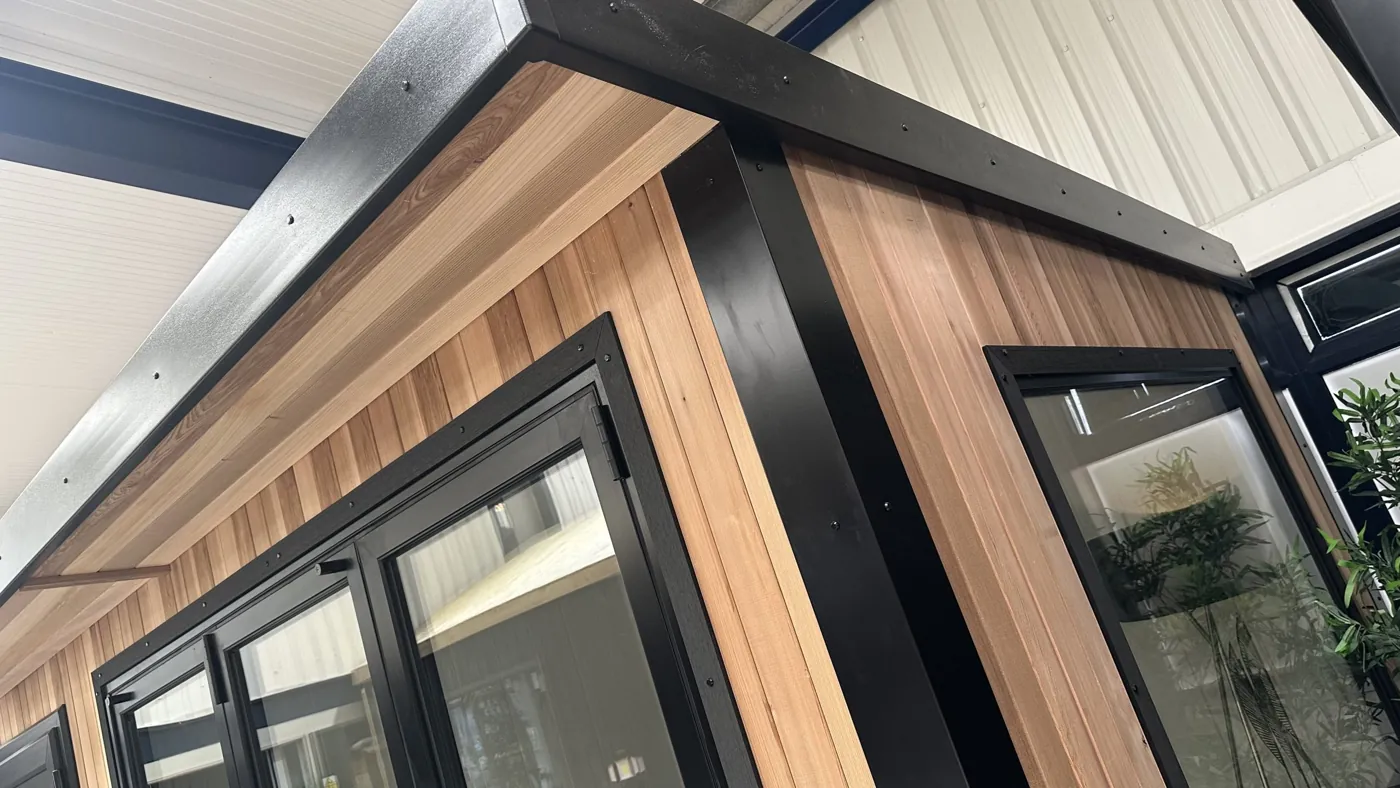
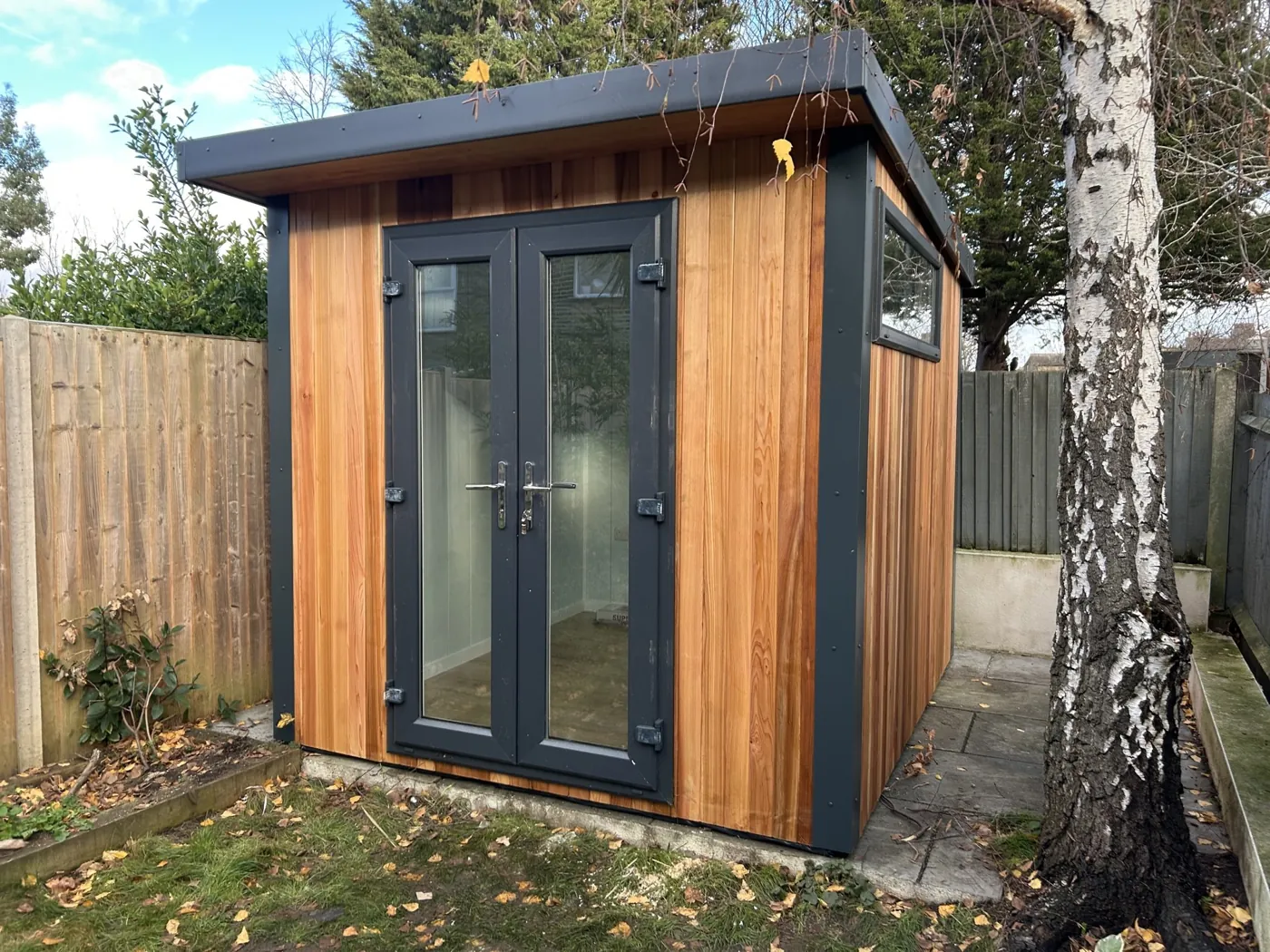
Cedar cladding, black trims and glazing on a Noah garden room

Get to know your materials

Timber, composite finishes, roofing, glazing and fittings have different care requirements. A treatment suitable for one surface may not be right for another.

Keep a record of your specification and ask for the appropriate product guidance. Follow any recommended inspection, cleaning or treatment schedule rather than relying on a single routine for the whole building.

Timber naturally responds to changing moisture and temperatures. You may notice changes in colour, small surface splits or movement over time. Contact us if you are concerned about a change or cannot tell whether it needs attention.
Keep fresh air moving

Ventilation matters, including in an insulated room. Open doors and windows regularly as appropriate for the weather and how you use the space.

Moisture can build up through everyday use, especially during wet weather or where damp items are brought inside. If you notice persistent condensation, damp or mould, contact us for advice about your building and how it is being used.

Avoid assuming that adding more heating will resolve a ventilation or moisture problem.

Check the outside safely

Keep the area around the building clear so you can inspect it and reach it for maintenance. Look for debris, blocked drainage or changes around the base, and arrange appropriate attention if something is not right.

Inspect the roof from a safe position. Do not climb onto it or use treatments or equipment that could damage the covering. Ask us for advice if it needs work.

Check doors, windows, seals and fittings for changes in operation. Do not force a sticking door or attempt an adjustment you are unsure about; contact us to discuss the next step.

Ask before making changes

Additional insulation, a new opening, heavy equipment or a specialist fit-out can affect the building in ways that are not obvious.

Talk to us before modifying the structure or arranging third-party work. We can discuss the original specification and any implications for suitability, maintenance and relevant warranties.

Why Noah

Need aftercare support?

Email info@noahgardenrooms.co.uk with your order reference, the issue you have noticed and when it began. Include clear photographs showing the affected area and the surrounding building.

Please contact us before arranging repairs you expect us to cover. We need the opportunity to assess the issue and agree the next steps.

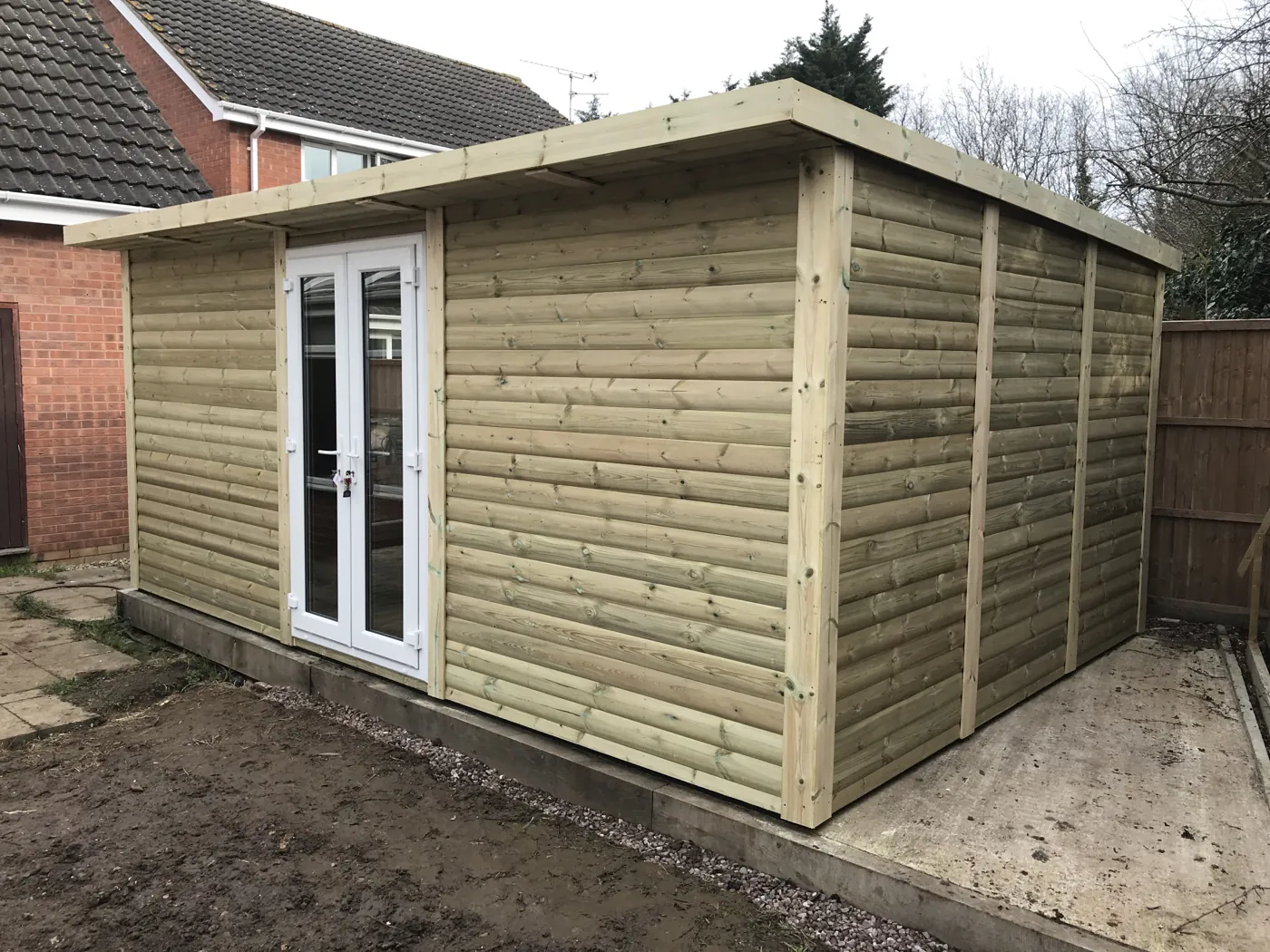
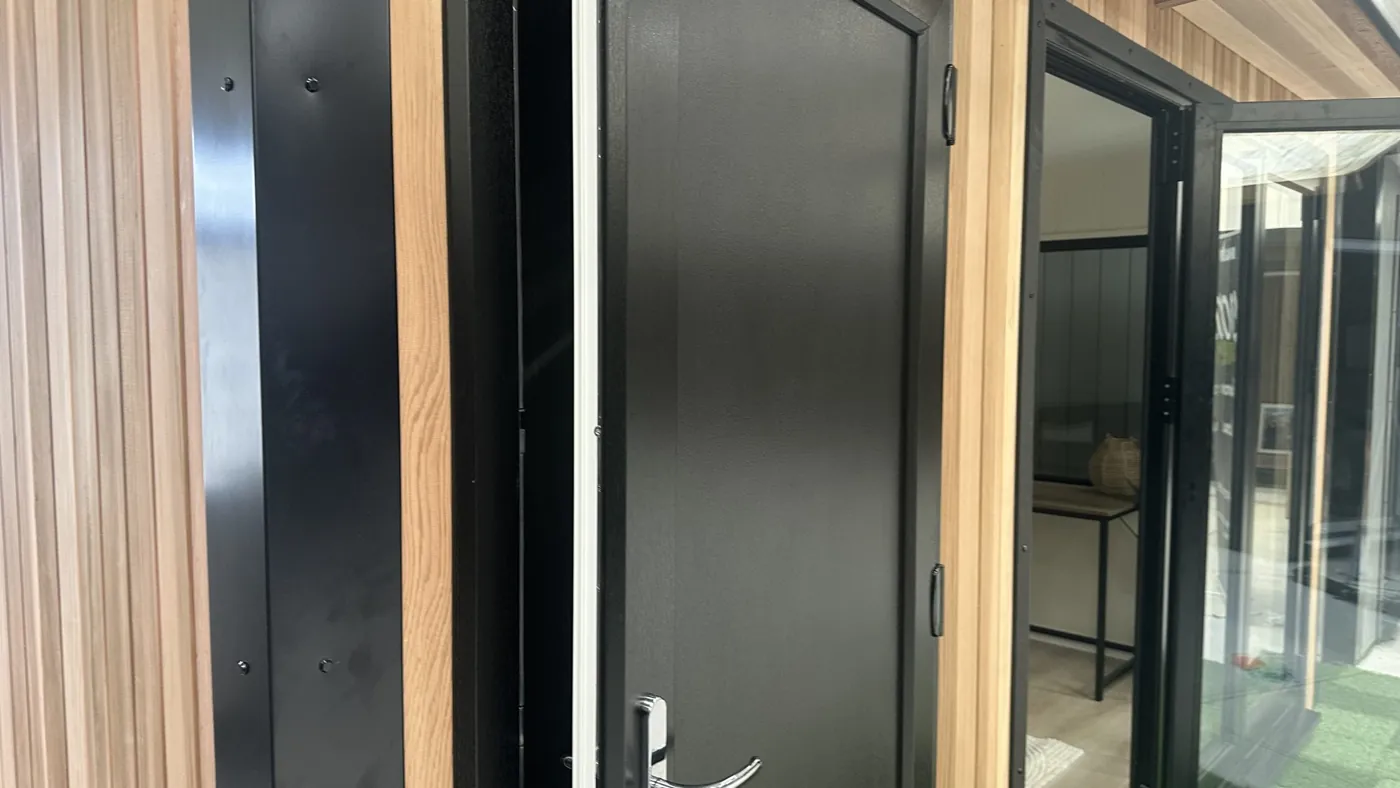
Composite door beside cedar cladding on a Noah garden room

Common questions

Care questions

Is my building maintenance-free?

No building should be treated as needing no attention. The amount and type of care depend on your chosen materials and how the building is used.

Plan a care routine around the components actually selected for the building. Exterior boards, glazing, door hardware, roof drainage and interior finishes do not necessarily share the same cleaning or maintenance requirements. Keep the supplied instructions and use compatible products. Inspect accessible areas periodically and report damage or persistent changes rather than assuming they are normal wear. Avoid obstructing ventilation or drainage, and seek advice before making structural alterations, adding heavy fixtures or applying a treatment that was intended for a different material.

Before winter, check accessible drainage, exterior surfaces, door operation and the condition of items stored in the room. Follow the maintenance instructions for the selected materials, and raise any concern before attempting a repair or applying a new product. Think about safe access along the garden path and the way the room will be heated and ventilated during colder weather. Seasonal preparation is also a useful opportunity to review loose outdoor furniture and planting around the building without blocking required access or ventilation spaces.

How often should I treat timber cladding?

Follow the guidance for your specific timber and coating system. Ask us if you do not have it; we should not give one treatment interval for every finish.

The care routine depends on the timber and any existing treatment or coating. Before painting, staining or refreshing a finish, check the supplier's instructions for preparation, suitable products and the condition the wood needs to be in. Keep a record of the finish used so future maintenance is compatible. Inspect the exterior periodically for damage and blocked details, particularly after poor weather. Avoid assuming that treatment removes every maintenance task or that a fixed repainting interval suits every elevation and exposure.

Ask for the maintenance instructions for the actual selected product, including suitable cleaning methods and any coating requirements. Keep soil, stored items and planting clear of the building where the specification requires access or ventilation, and avoid blocking drainage details. Colour and appearance can change with exposure, so discuss expected weathering when comparing samples. Follow the recommended products and methods rather than applying an aggressive cleaner, pressure washer or coating simply because it was suitable for a different material on another building.

Is condensation a structural fault?

Condensation can have several causes, including moisture and ventilation. Send us the details so we can advise on the situation rather than assuming the cause.

Moisture can come from people, wet clothing, plants, exercise and items brought into the room, as well as from the surrounding conditions. Keep ventilation routes clear and follow the instructions for heating and maintenance. If you notice persistent condensation, staining or a damp smell, record when it happens and photograph the affected areas rather than immediately covering them. The team can advise what information is needed to distinguish an operating issue from a defect that requires investigation or an aftercare visit.

Comfort depends on managing fresh air, moisture and solar gain as well as keeping heat in. Consider the number of occupants, equipment producing heat, glazing orientation and whether windows can open safely. Heating or air conditioning should not be treated as a substitute for suitable ventilation. If the intended use creates extra moisture or heat, raise that in the initial brief. Equipment choice and day-to-day operation need to suit the room rather than relying on one generic temperature or running-cost promise.

What information helps with an aftercare enquiry?

Your order reference, a description of the issue and clear photographs are a good starting point. Let us know about any recent changes to the building or surrounding ground.

For an aftercare enquiry, provide the order or design reference, installation address and a clear description of what you have noticed. Include photographs showing both the detail and its position on the building, together with when it started and whether conditions affect it. Mention any maintenance or alterations already carried out. Avoid guessing the cause or beginning work that could obscure the issue before advice is obtained. The team can then explain the next step and what further information or assessment may be needed.

Read the written guarantee alongside the quotation and the instructions supplied with the building. Structural cover, individual components, equipment and surface finishes may have different terms, so check which issue each document addresses. Keep order details, photographs and maintenance records available if you need to make an enquiry. Tell Noah about a suspected problem before arranging alterations or repairs that could make assessment harder. A general description of the guarantee should not replace the actual terms or imply that every item receives identical cover.

How should I look after the roof and drainage?

Follow the instructions for your actual roof covering and drainage products. Keep accessible drainage routes clear and arrange suitable help for work that cannot be done safely from the ground. Report persistent leaks or damage before attempting repairs that could make assessment harder.

Make sure the agreed position leaves the access needed for installation, inspection and maintenance. Nearby fences, trees and other buildings can affect that access and the accumulation of debris. Follow the supplied care instructions for the roof covering and drainage components, and ask before attaching items or changing the covering. If a problem appears, send photographs taken safely from the ground where possible. Do not climb onto the roof or undertake a repair without establishing that the method is safe and suitable for the structure.

Plan a care routine around the components actually selected for the building. Exterior boards, glazing, door hardware, roof drainage and interior finishes do not necessarily share the same cleaning or maintenance requirements. Keep the supplied instructions and use compatible products. Inspect accessible areas periodically and report damage or persistent changes rather than assuming they are normal wear. Avoid obstructing ventilation or drainage, and seek advice before making structural alterations, adding heavy fixtures or applying a treatment that was intended for a different material.

Next steps

Not sure what your building needs?

Get in touch before a small concern becomes a bigger job.

Free 48-page brochure

Get the Free Garden Room Brochure in Your Inbox

Forty-eight pages of finished buildings, every range with sizes and from-prices, and plain explanations of cladding, insulation and electrics. Request the brochure by email. Our team may follow up to discuss your plans.

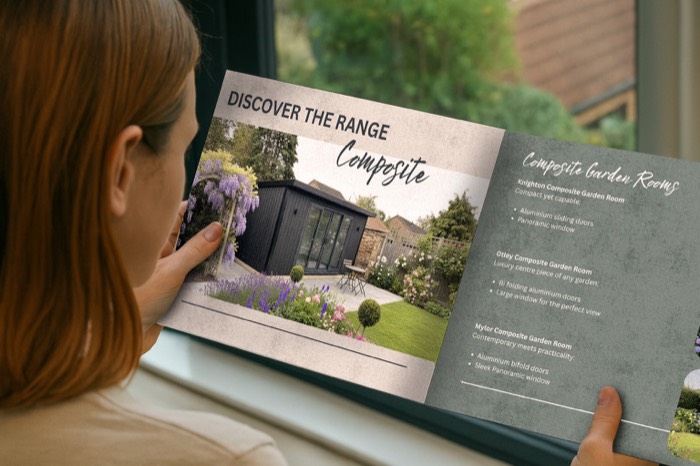
Noah Garden Rooms brochure open at the composite garden rooms pages
  • 48 pages of garden rooms and real installs
  • Every range with sizes and from-prices
  • Cladding, insulation and electrics explained
  • Emailed brochure, with follow-up from our team

Email me the brochure

Tell us where to send your free brochure and start exploring the possibilities for your garden.

We will use your details to send the brochure and respond to your request. Prefer to talk? Call 0333 051 0852.

Request a Callback

Watch Noah

Design & Get Instant Price

On-screen captions included.