Callback

Wooden and Timber

Wooden garden rooms with timber cladding

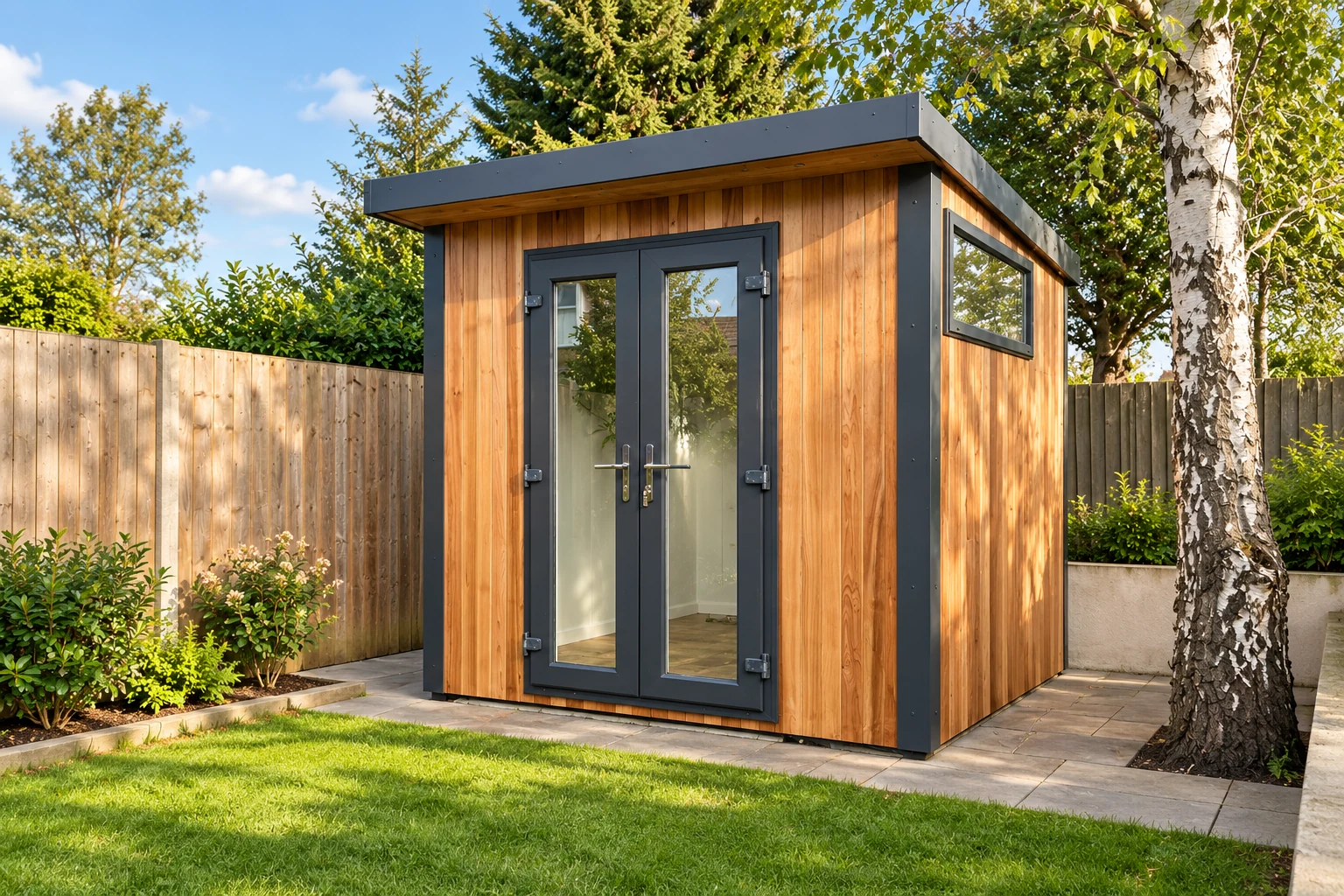
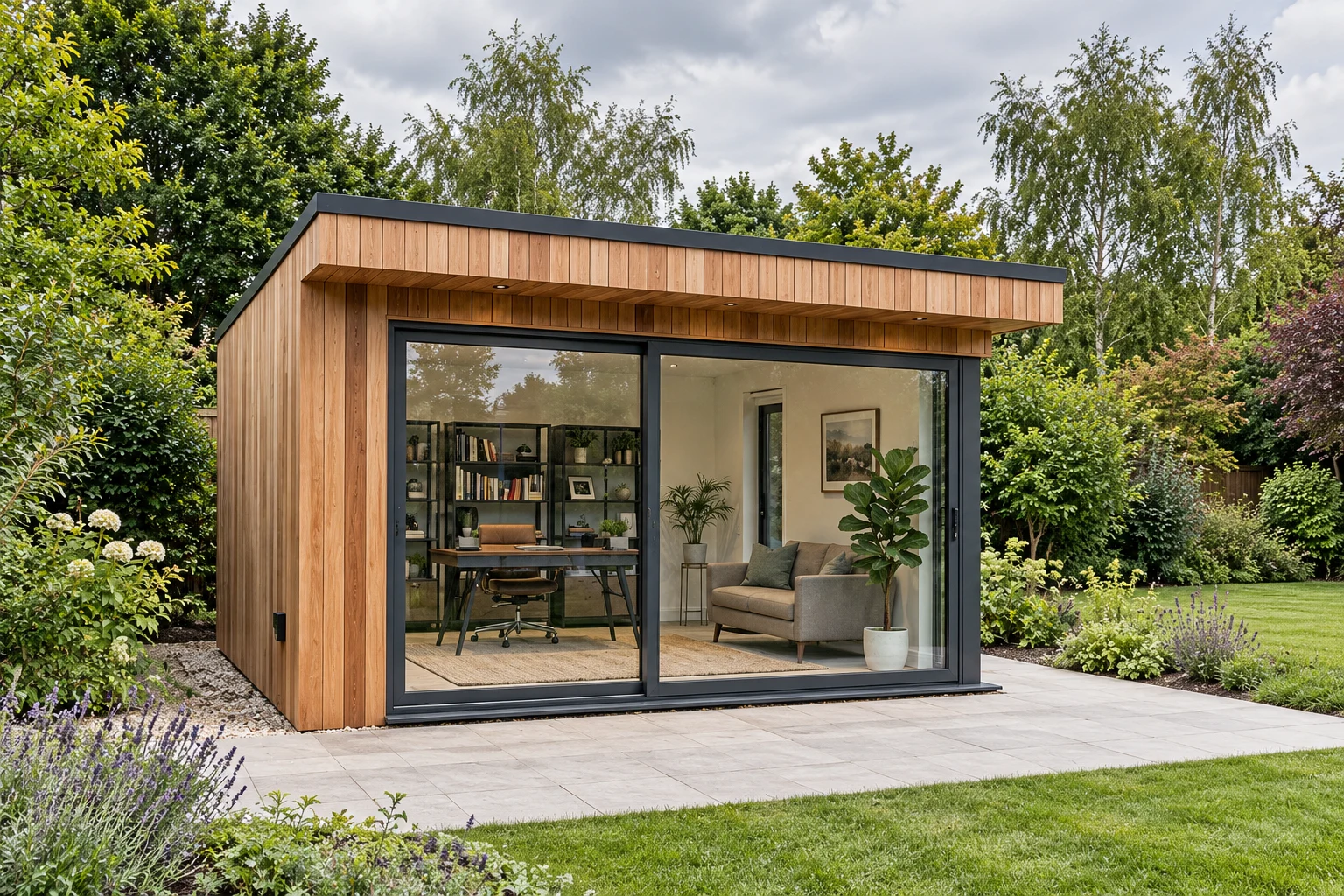
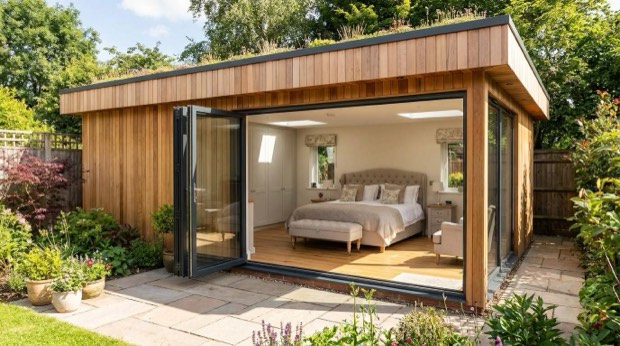
A timber garden room sits naturally among planting, fencing and a lawn. The grain and the variation from board to board give a wooden garden room a warmth that a flat finish cannot copy, and you can paint it the colour you want.

Timber cladding is available on all five Noah ranges, as pressure-treated timber or Thermowood.

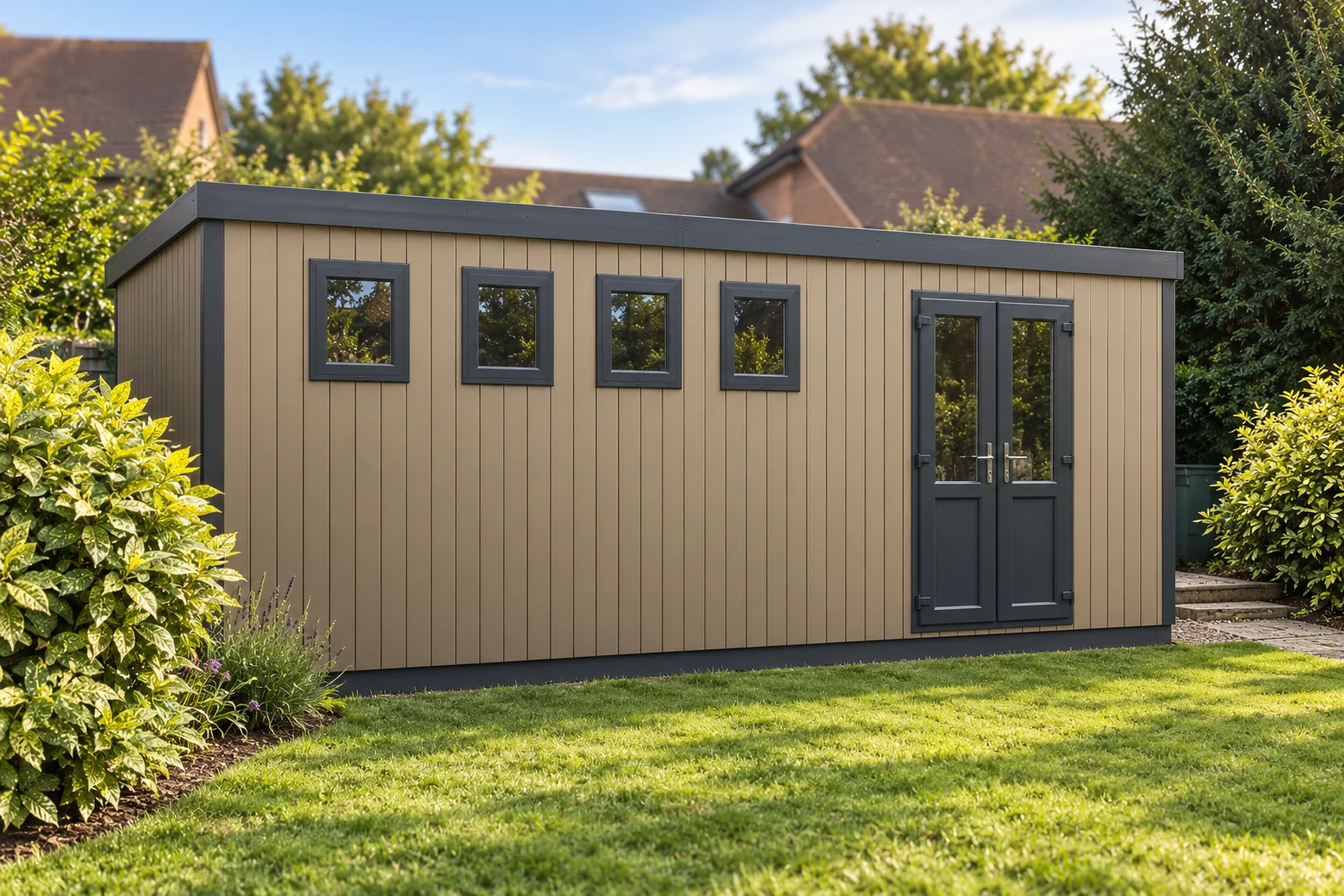
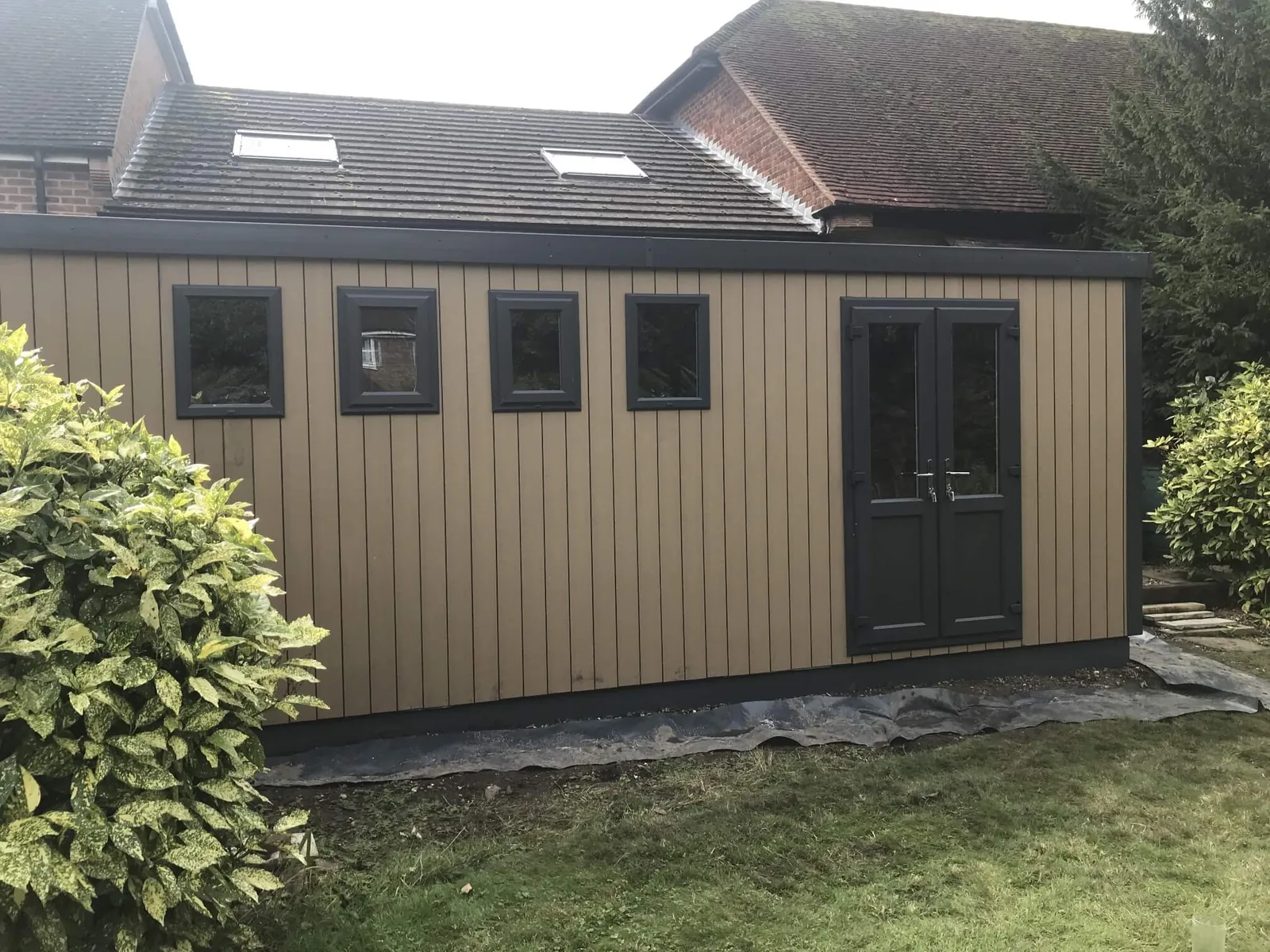
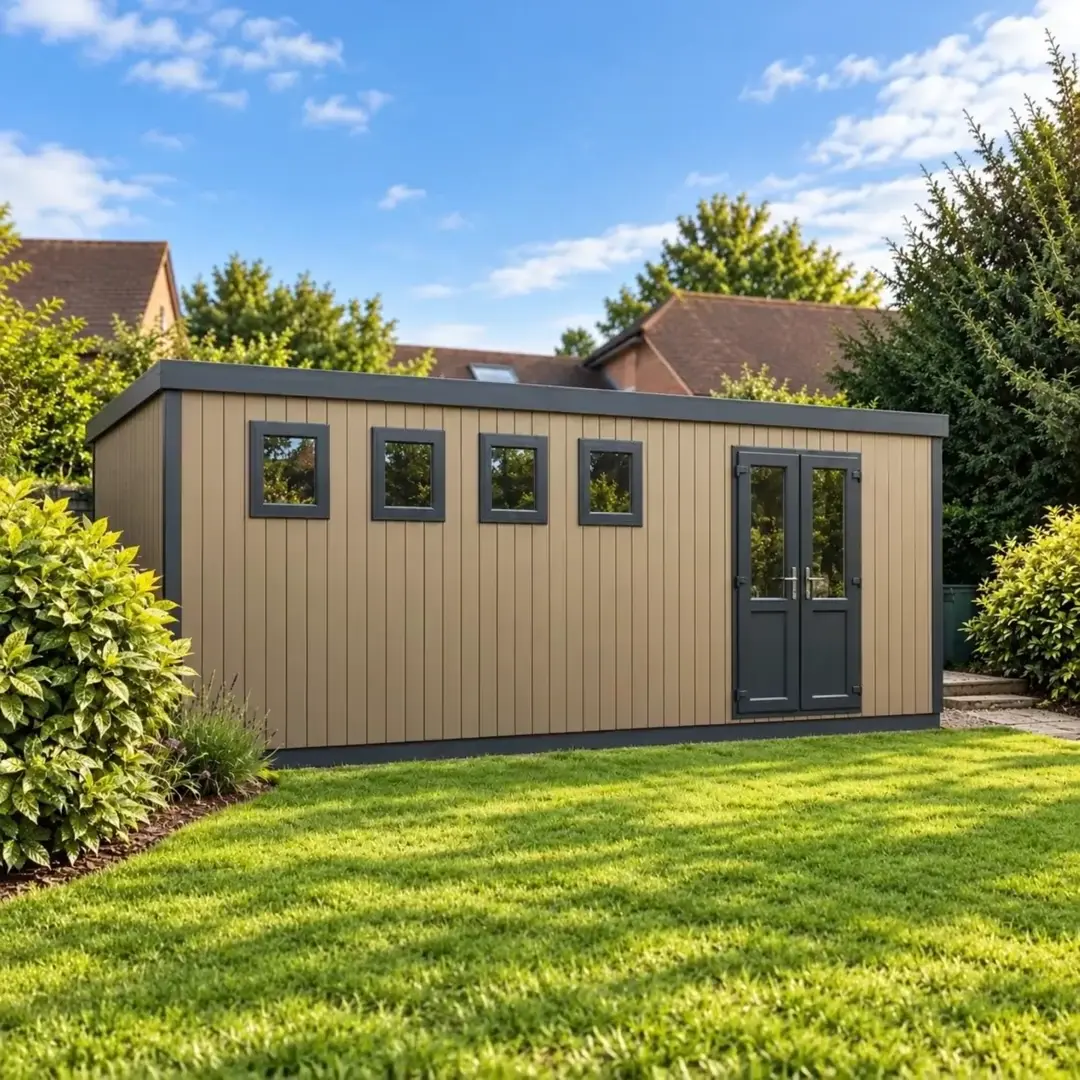
Garden building with vertical cladding, a row of small windows and grey double doors on a lawn

Two timbers

Pressure-treated timber or Thermowood?

Both are softwood and both are available on all five ranges. The difference is how the timber is protected, which changes how it looks and how you look after it.

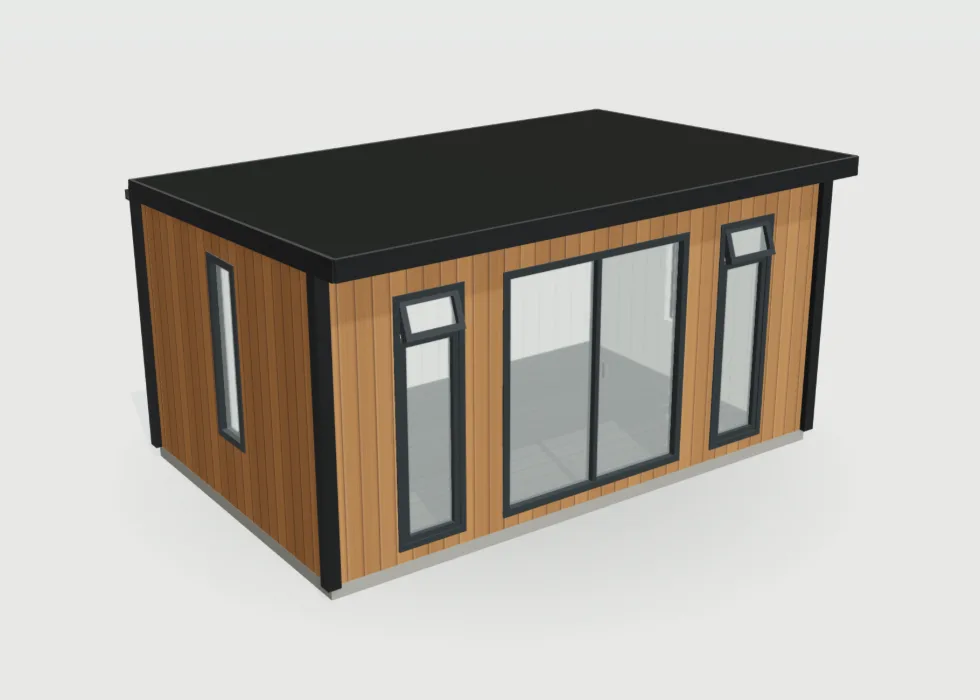
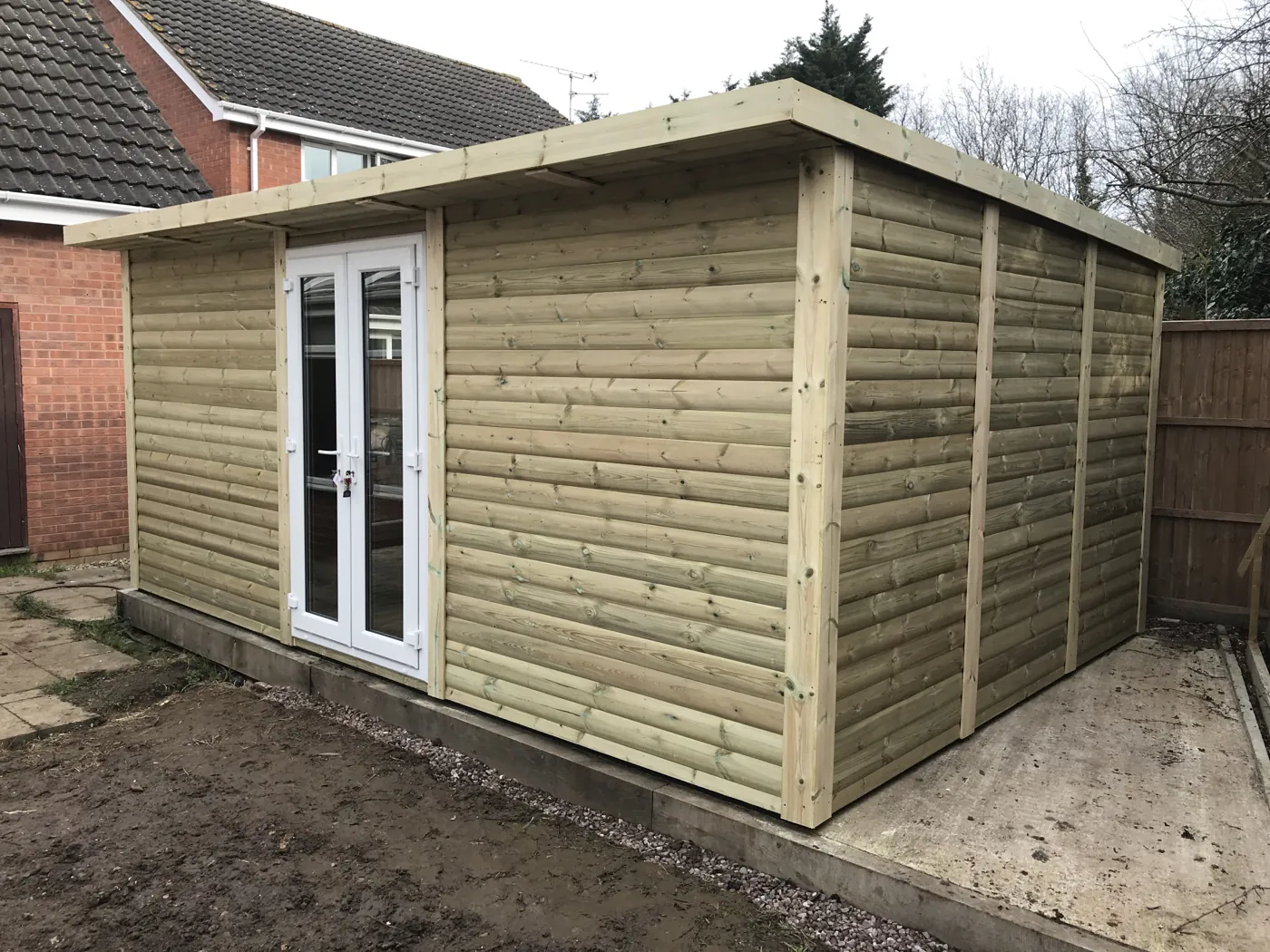
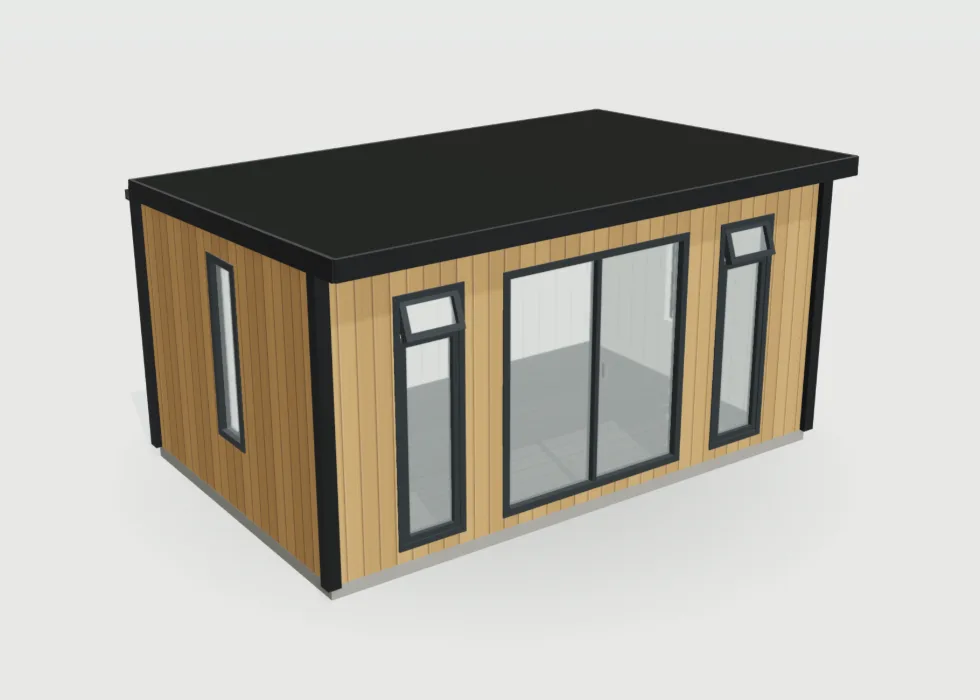
Configurator view of a 16 by 10ft garden room clad in pressure-treated timber

Pressure-treated timber

Our most affordable cladding

How it is made
Preservative is forced deep into the grain under pressure, protecting the wood against rot and fungus.
Look
Natural grain and variation, and a blank canvas you can paint to match your colour scheme.
Care
A waterproofing paint soon after installation, then once a year. Keeping it painted also stops the boards weathering to silver-grey.
Cost
£
Configurator view of a 16 by 10ft garden room clad in Thermowood

Thermowood

Heat-treated timber

How it is made
Softwood heat-treated at over 200°C, which drives out moisture and resin. It is more stable as a result, so it swells and shrinks less as the weather changes.
Look
A warmer, darker tone than standard pine, which weathers evenly.
Care
No paint needed. An optional oil coat keeps its tone.
Cost
££

Choosing your range

Timber choices across the range

Timber cladding is listed as a choice for Garden Buildings, Garden Pods, Garden Rooms, Signature and Granny Annexes.

The selected finish, coverage and price should be confirmed in your quotation. Choosing timber cladding does not change the insulation or other inclusions of the range by itself.

Granny Annexes from £24,457: Basic 16 × 10ft timber-clad pent studio. Kitchens, bathrooms and mains connections are optional, separately quoted.

Next steps

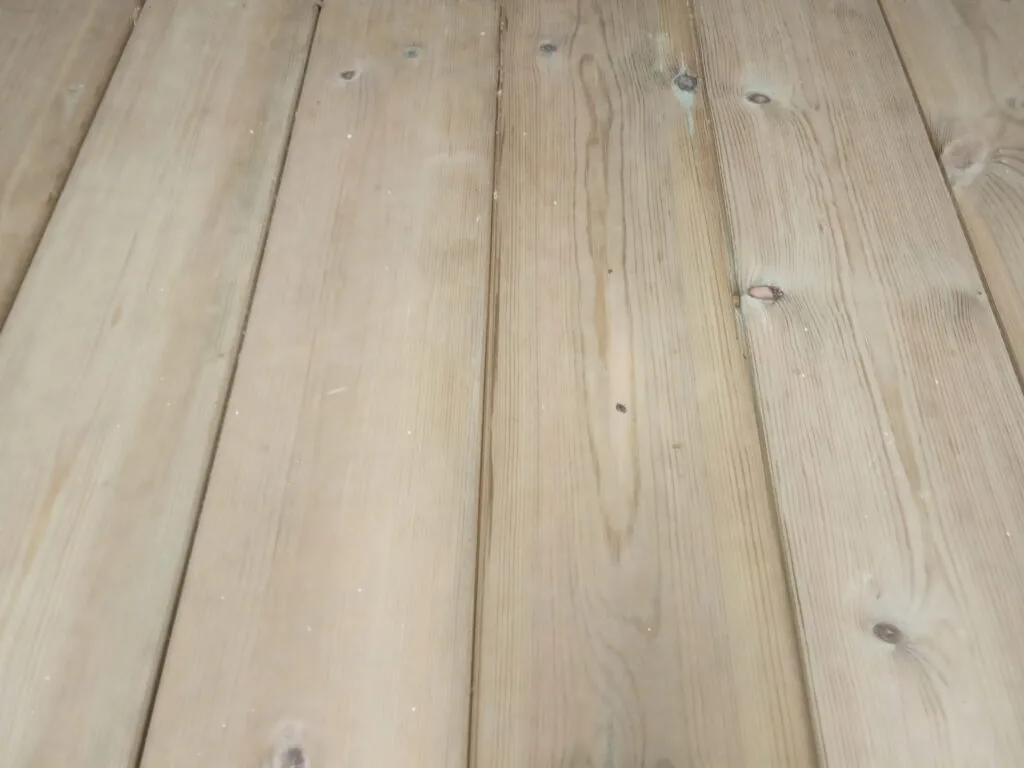
Texture you can see up close

Timber has real variation in grain and tone. Viewing the available samples helps you compare that character with cedar or the more uniform appearance of composite.

We can show you how the chosen cladding works with the frames and finishes on your building.

Common questions

Timber cladding questions

Is timber cladding standard on Garden Buildings or Pods?

Yes. Our starting prices for Garden Buildings and Garden Pods include pressure-treated timber, our most affordable cladding. You can change to Thermowood or another cladding on any range, and the configurator shows the difference in price.

Natural timber varies in grain, tone and surface appearance, which is part of choosing a wood finish. Confirm the timber product, treatment and finish in the quotation rather than relying on a general description such as timber clad. Ask how it is intended to weather and what care is recommended for the appearance you want to retain. Board layout, ventilation and the details at ground level matter alongside the timber itself. Treat a sample as an indication rather than a promise that every board will look identical.

The five Noah ranges differ in specification as well as price. Garden Buildings suit practical seasonal uses and are uninsulated; Garden Pods provide insulated space with electrics available as an upgrade. Garden Rooms offer a broader insulated specification with an electrical pack, while Signature adds premium SIP construction and an included foundation. Granny Annexes follow an accommodation-focused specification. Check the current range comparison for the particular finishes and inclusions rather than assuming that similarly named buildings have identical packages.

Does all timber cladding need painting?

Only pressure-treated timber, which needs a waterproofing paint soon after installation and then once a year. Thermowood needs no paint. The comparison above sets out the care for each.

Before decorating timber, identify both the board product and the coating you want to use. Ask about preparation, drying conditions, compatibility and the recommended maintenance cycle rather than assuming an existing tin of paint is suitable. Test or view an appropriate sample where advised and keep product details for later touch-ups. Colour choice, exposure and access around the building can affect the practical care routine. Confirm the supplied finish in the quotation so that any work you arrange afterwards is clearly understood.

The care routine depends on the timber and any existing treatment or coating. Before painting, staining or refreshing a finish, check the supplier's instructions for preparation, suitable products and the condition the wood needs to be in. Keep a record of the finish used so future maintenance is compatible. Inspect the exterior periodically for damage and blocked details, particularly after poor weather. Avoid assuming that treatment removes every maintenance task or that a fixed repainting interval suits every elevation and exposure.

Will every board look identical?

No. Timber is a natural material, so grain, knots and tone vary from board to board, and that variation is part of its character.

Natural timber varies in grain, tone and surface appearance, which is part of choosing a wood finish. Confirm the timber product, treatment and finish in the quotation rather than relying on a general description such as timber clad. Ask how it is intended to weather and what care is recommended for the appearance you want to retain. Board layout, ventilation and the details at ground level matter alongside the timber itself. Treat a sample as an indication rather than a promise that every board will look identical.

Compare exterior finishes using samples and complete specifications as well as photographs. Colour, texture, board direction, trims and the relationship with the doors can change how the same building looks in a particular garden. Different sides may have different exposure and visibility, so explain where a mixed finish is proposed. The exterior cladding is only one layer of the building; its appearance does not establish insulation, structural capacity or the internal finish. Check those elements separately when deciding which range and options suit the project.

Can I choose cedar instead?

Yes, cedar is available on all five ranges. It is our premium natural timber, protected by its own natural oils, and it sits higher on our cost scale than Thermowood (££££ against ££). Both need little care: leave them to weather, or oil them to keep their colour. See our Cedar page for more.

Compare exterior finishes using samples and complete specifications as well as photographs. Colour, texture, board direction, trims and the relationship with the doors can change how the same building looks in a particular garden. Different sides may have different exposure and visibility, so explain where a mixed finish is proposed. The exterior cladding is only one layer of the building; its appearance does not establish insulation, structural capacity or the internal finish. Check those elements separately when deciding which range and options suit the project.

Ask for the maintenance instructions for the actual selected product, including suitable cleaning methods and any coating requirements. Keep soil, stored items and planting clear of the building where the specification requires access or ventilation, and avoid blocking drainage details. Colour and appearance can change with exposure, so discuss expected weathering when comparing samples. Follow the recommended products and methods rather than applying an aggressive cleaner, pressure washer or coating simply because it was suitable for a different material on another building.

Does Thermowood go grey?

Over time, yes. Left without a finish, Thermowood weathers to a silver-grey, and this does not affect its stability or resistance to rot. If you prefer its warm brown tone, an oil coat with UV protection keeps it.

Natural timber varies in grain, tone and surface appearance, which is part of choosing a wood finish. Confirm the timber product, treatment and finish in the quotation rather than relying on a general description such as timber clad. Ask how it is intended to weather and what care is recommended for the appearance you want to retain. Board layout, ventilation and the details at ground level matter alongside the timber itself. Treat a sample as an indication rather than a promise that every board will look identical.

Ask for the maintenance instructions for the actual selected product, including suitable cleaning methods and any coating requirements. Keep soil, stored items and planting clear of the building where the specification requires access or ventilation, and avoid blocking drainage details. Colour and appearance can change with exposure, so discuss expected weathering when comparing samples. Follow the recommended products and methods rather than applying an aggressive cleaner, pressure washer or coating simply because it was suitable for a different material on another building.

Can you paint Thermowood?

Yes. The heat treatment removes the resin, so none bleeds through the paint, and Thermowood takes a high-quality painted finish. It does not need painting, so it is only worth doing if you want a different colour.

Before decorating timber, identify both the board product and the coating you want to use. Ask about preparation, drying conditions, compatibility and the recommended maintenance cycle rather than assuming an existing tin of paint is suitable. Test or view an appropriate sample where advised and keep product details for later touch-ups. Colour choice, exposure and access around the building can affect the practical care routine. Confirm the supplied finish in the quotation so that any work you arrange afterwards is clearly understood.

The care routine depends on the timber and any existing treatment or coating. Before painting, staining or refreshing a finish, check the supplier's instructions for preparation, suitable products and the condition the wood needs to be in. Keep a record of the finish used so future maintenance is compatible. Inspect the exterior periodically for damage and blocked details, particularly after poor weather. Avoid assuming that treatment removes every maintenance task or that a fixed repainting interval suits every elevation and exposure.

Is Thermowood eco-friendly?

It is treated with heat and steam alone, with no chemical preservatives. At the end of its life, it can be disposed of like untreated wood.

Ask for information about the timber actually specified, including its species, source, treatment and any available certification. A general description such as natural or modified wood does not establish the environmental impact of every product. Consider the complete building, maintenance products, transport and expected use alongside the cladding. Choose a finish you can care for in the proposed position, and retain the product information for later repairs or replacements. Avoid choosing between materials on the basis of an unsupported environmental claim alone.

The care routine depends on the timber and any existing treatment or coating. Before painting, staining or refreshing a finish, check the supplier's instructions for preparation, suitable products and the condition the wood needs to be in. Keep a record of the finish used so future maintenance is compatible. Inspect the exterior periodically for damage and blocked details, particularly after poor weather. Avoid assuming that treatment removes every maintenance task or that a fixed repainting interval suits every elevation and exposure.

Will timber cladding rot?

Not when it is looked after. Both timbers are protected against decay, and we fit a breathable waterproof membrane and an air gap behind every board, so the cladding can dry out after rain. Keep pressure-treated timber painted as recommended above.

The care routine depends on the timber and any existing treatment or coating. Before painting, staining or refreshing a finish, check the supplier's instructions for preparation, suitable products and the condition the wood needs to be in. Keep a record of the finish used so future maintenance is compatible. Inspect the exterior periodically for damage and blocked details, particularly after poor weather. Avoid assuming that treatment removes every maintenance task or that a fixed repainting interval suits every elevation and exposure.

Plan a care routine around the components actually selected for the building. Exterior boards, glazing, door hardware, roof drainage and interior finishes do not necessarily share the same cleaning or maintenance requirements. Keep the supplied instructions and use compatible products. Inspect accessible areas periodically and report damage or persistent changes rather than assuming they are normal wear. Avoid obstructing ventilation or drainage, and seek advice before making structural alterations, adding heavy fixtures or applying a treatment that was intended for a different material.

Free 48-page brochure

Get the Free Garden Room Brochure in Your Inbox

Forty-eight pages of finished buildings, every range with sizes and from-prices, and plain explanations of cladding, insulation and electrics. Request the brochure by email. Our team may follow up to discuss your plans.

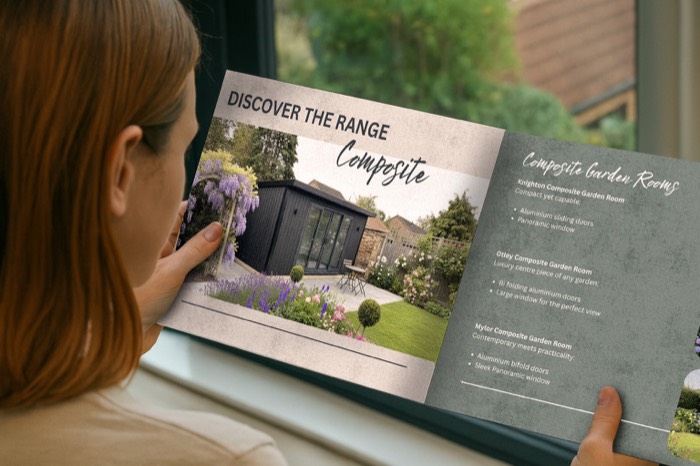
Noah Garden Rooms brochure open at the composite garden rooms pages
  • 48 pages of garden rooms and real installs
  • Every range with sizes and from-prices
  • Cladding, insulation and electrics explained
  • Emailed brochure, with follow-up from our team

Email me the brochure

Tell us where to send your free brochure and start exploring the possibilities for your garden.

We will use your details to send the brochure and respond to your request. Prefer to talk? Call 0333 051 0852.

Request a Callback

Watch Noah

Design & Get Instant Price

On-screen captions included.